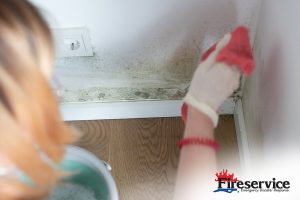
Have you ever walked into a room and noticed a musty smell, only to discover mysterious patches forming on the walls or ceiling? It’s a common scenario, yet identifying whether you’re dealing with mold or mildew can stump even the most diligent homeowner. Are they the same thing, and if not, how can you differentiate between the two?
Mold and mildew are both types of fungi that thrive in moist environments like we have in Southwest Florida. Understanding the difference is crucial, not just for identifying the problem but for ensuring you apply the correct solution. While they may seem similar, mold can pose significant health risks and structural damage, whereas mildew tends to be more superficial and less harmful.
Recognizing the distinct characteristics between mold and mildew is vital for effective treatment and prevention. This article will help you distinguish between these two fungi, highlighting the visual differences, potential dangers, and steps you can take to tackle these unwelcome guests in your home.
The Differences Between Mold and Mildew
While they share some similarities, they are distinct entities with different characteristics, appearances, and impacts. Here’s a detailed look at what sets them apart.
Appearance
Mold
- Color and Texture: Mold appears in various colors, including black, green, blue, red, and yellow. It often has a fuzzy or slimy texture, depending on its stage of growth and the specific type of mold.
- Growth Patterns: Mold forms irregular patches that may look splotchy or uneven. Its appearance is often more three-dimensional than mildew, giving it a raised look.
Mildew
- Color and Texture: Mildew typically presents as a gray, white, or light yellow powdery or fluffy growth. It’s flatter and spreads over the surface, unlike the raised, thick appearance of mold.
- Growth Patterns: Mildew often grows in a more uniform, even pattern, making it look like a dusty or chalky film on the surface it inhabits.
Growth Conditions
Mold
- Mold thrives in continuously damp, warm, and humid environments. Once established, it can grow on various organic materials, including wood, fabric, and drywall. It’s commonly found in areas like basements, bathrooms, or any space with a consistent moisture source.
Mildew
- Mildew prefers moist, warm environments but typically requires less abundant moisture than mold. It is often found in areas where humidity levels are high but airflow is limited, such as shower stalls, windowsills, and other surfaces that frequently become damp but dry out again.
Causes and Prevention
Mold
- Causes: Regular exposure to high humidity, water leaks, or poor ventilation can lead to mold growth. Mold spores are always present in the air, and they will settle and grow given the opportunity.
- Prevention: Reducing humidity levels, fixing leaks promptly, ensuring proper ventilation, and using mold-resistant products can help prevent mold.
Mildew
- Causes: High humidity, condensation, and poor ventilation are primary contributors. Mildew often appears in environments where water evaporation happens quickly yet leaves surfaces barely damp.
- Prevention: Regular cleaning, maintaining appropriate airflow, and keeping areas dry are key to avoiding mildew.
Health Impacts
Mold
- Certain molds can cause significant health issues, especially for individuals with mold allergies or compromised immune systems. Common effects include respiratory issues, skin irritation, and more severe reactions in sensitive individuals like asthma attacks or lung infections.
Mildew
- While mildew also poses health risks, especially regarding respiratory issues and allergies, it is generally considered less dangerous compared to mold. However, prolonged exposure or failure to address mildew can still cause respiratory discomfort and irritation.
Removal and Treatment
Mold
- Methods: Mold removal often requires more intensive cleaning solutions, such as specialized mold killers, vinegar, or professional removal services. It may also require addressing underlying issues, such as leaky pipes or inadequate ventilation.
- Challenges: Removing mold often involves more work due to its penetration into surfaces and potential structural damage.
Mildew
- Methods: Mildew can usually be removed with regular cleaning agents, such as household cleaners, vinegar, or bleach solutions. It often requires scrubbing the affected area until the mildew is no longer visible.
- Challenges: While easier to clean, prompt action is necessary to avoid rapid spreading.
FAQs: Mold vs Mildew
Yes, a musty odor without visible mold could indicate hidden mold growth somewhere in your environment, such as inside walls or under flooring. In such cases, it’s advisable to investigate further, possibly involving a professional inspection to identify and address the hidden mold source.
Yes, there are natural remedies you can use for mild cases. Vinegar, baking soda, and hydrogen peroxide can be effective against mildew and minor mold infestations. Essential oils like tea tree oil and grapefruit seed extract also possess antifungal properties. However, for severe mold issues, professional treatment is recommended to ensure safety and effectiveness.
Yes, mold and mildew can return if preventative measures are not taken. To prevent regrowth, it’s essential to control humidity levels, repair leaks, ensure proper ventilation, and routinely clean surfaces prone to moisture. Ensuring your living spaces are dry and adequately ventilated is key to preventing both mold and mildew.
No, while both require moisture control for effective treatment, the elimination process can vary based on severity and surface. Mildew can often be cleaned with a household cleaner and a brush on non-porous surfaces. Mold removal may require more intensive measures, including antifungal treatments and sometimes professional remediation, especially if it has penetrated walls or other structural elements.
Mold Inspection and Removal in Southwest Florida
Fireservice professionals are well-equipped to identify and remove mold from both residential and commercial properties, ensuring a safe and healthy environment for occupants. With our expertise, we conduct thorough inspections to locate mold, even in hidden or hard-to-reach areas, and assess the extent of the contamination. Utilizing specialized equipment and proven techniques, we effectively remove mold while taking measures to prevent future growth.
By entrusting mold remediation to our experts, homeowners and business owners can have peace of mind knowing their indoor spaces are clean, safe, and free from potential health hazards associated with mold exposure.