When a major storm hits Southwest Florida, the damage often extends far beyond what is visible at first glance. From roof leaks and water intrusion to structural concerns and mold growth, homeowners are frequently faced with a long road to recovery. Post-storm remodeling is more than simply repairing damaged areas—it’s an opportunity to restore, strengthen, and even improve your home for the future.
Understanding what to expect during the remodeling process can help reduce stress and set realistic expectations. From initial inspections to reconstruction timelines and material selection, each phase plays a critical role in bringing your property back to its best condition.
In this article, we’ll walk you through the key stages of post-storm remodeling in SWFL and provide insights to help you navigate the process with confidence.
Assessment and Hidden Damage
Before the remodeling process can begin, conducting an initial property inspection is crucial. This step is vital as it provides a comprehensive assessment of the visible and structural damage inflicted by the storm, acting as the foundation for all subsequent renovation efforts.
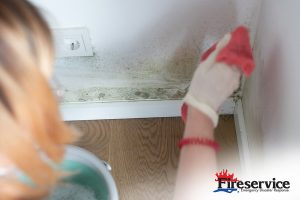
Equally important is the identification of hidden storm damage, which may not be immediately apparent but can have significant long-term implications if left unaddressed. Issues such as water intrusion, mold growth, or foundational shifts can compromise the structural integrity and the health of the living environment.
By identifying these hidden damages early on, homeowners can prevent more extensive and costly repairs down the road. This proactive approach guarantees that the remodeling process addresses all potential vulnerabilities, making the home safer, more resilient, and better equipped to withstand future weather events.
The Remodeling and Reconstruction Phase
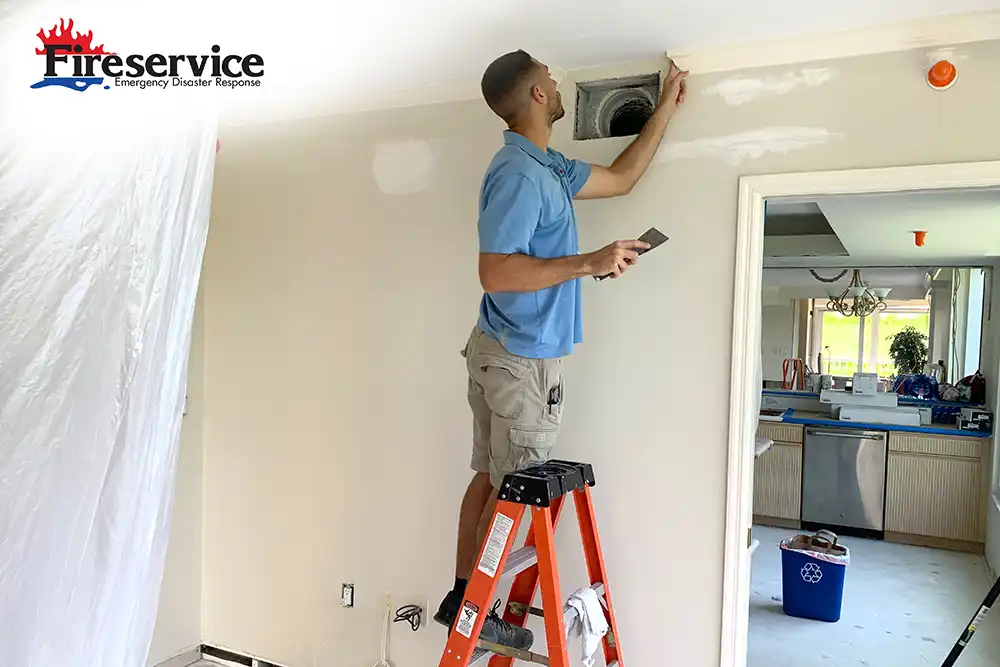
Based on the assessment, our contractors will plan for the necessary repairs or replacements, utilizing durable materials that are capable of withstanding future adverse weather conditions. The rebuilding process typically involves reinforcing the structure to comply with modern building codes, which may have been updated since the original construction. This step is critical to ensure the safety and longevity of the home.
Once the core structural elements have been addressed, the focus shifts to restoring and updating the interior components. Flooring often requires replacement due to water damage, and homeowners may opt for materials like tile or engineered hardwood that offer both durability and aesthetic appeal. Similarly, damaged drywalls, baseboards, and more must be replaced and properly sealed to prevent mold growth.
Reconstruction presents a unique opportunity for homeowners to enhance both functionality and aesthetics within their home. As the remodeling process takes place, homeowners can consider open floor plans to create more space, add natural light through strategically placed windows, and incorporate other personalized design features. Updated designs and technologies for kitchens and bathrooms can significantly elevate the living experience, providing greater convenience and a modern look. Embracing these opportunities can transform a post-storm setback into a chance to create a more resilient, efficient, and beautiful living environment.
Partnering with the Right Restoration and Contracting Team in SWFL
Recovering from storm damage can feel overwhelming, but the right restoration and contracting partner can make the process more manageable from start to finish.
Ready to rebuild with confidence? Contact Fireservice today to schedule a comprehensive property assessment and learn how we can help restore, remodel, and strengthen your SWFL home or commercial property after storm damage.