Have you ever wondered why certain coastal areas are more prone to flooding than others?
Sanibel Island, a gem off the southwestern coast of Florida, is renowned for its tranquil beaches, rich wildlife, and idyllic environment. However, beneath its serene surface lies a heightened susceptibility to flooding, primarily due to its low-lying geography and changing climate patterns. Recent years have seen an increase in severe weather events, emphasizing the need for both residents and visitors to be prepared for the possibility of floods.
Having a comprehensive recovery checklist can significantly mitigate the damage caused by these natural events while staying safe in the process.
What to Include on Your Flood Recovery Checklist?
Flooding can be a devastating experience, and if you’re a property owner on Sanibel Island, you’ll need a structured plan to tackle the aftermath effectively. This checklist will guide you through the necessary steps to recover quickly and efficiently while staying safe from flood damage.
Ensure Safety First
- Check for Hazards: Before entering your property, inspect the exterior for structural damage, downed power lines, or gas leaks.
- Turn Off Utilities: If it’s safe to do so, turn off electricity, gas, and water supplies.
- Use Protective Gear: Wear rubber boots, gloves, and masks to protect yourself from contaminated floodwater and debris.
Document the Damage
- Take Photos and Videos: Capture extensive visual documentation of damage to your property and belongings for insurance purposes.
- List Damaged Items: Keep a detailed inventory of all damaged possessions, noting descriptions, models, and serial numbers if applicable.
Communicate with Your Insurance Company
- Contact Your Insurer ASAP: Notify your insurance company about the flood damage and start the claims process.
- Understand Your Coverage: Review your policy to know what is covered and discuss next steps with your adjuster.
- Keep Records: Maintain copies of all correspondence and document interactions for future reference.
Start the Cleanup Process
- Remove Water: Use pumps, wet-dry vacuums, or professional services to remove standing water from your property.
- Discard Unsalvageable Items: Dispose of items that cannot be saved, particularly those that pose health risks like contaminated food.
- Begin Drying and Dehumidifying: Use fans and dehumidifiers to reduce moisture levels and prevent mold growth.
If the cleanup process requires extensive restoration, don’t hesitate to contact an experienced flood restoration company such as Fireservice.
Assess Structural Damage
- Hire Professionals: Employ qualified contractors to evaluate the structural integrity of your building.
- Repair and Rebuild: Begin necessary repairs to restore your home, adhering to local building codes and regulations for flood-prone areas.
Prevent Mold
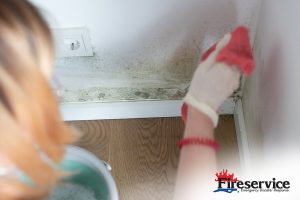
- Clean or Remove Surfaces: Scrubbing non-porous surfaces can help with disinfection. But if a surface is porous, it needs to be removed due to the contamination.
- Inspect for Mold: Regularly check for signs of mold development and address problems immediately.
- Consult Experts: If mold is extensive, hire professionals to handle the cleanup to avoid health hazards.
Beachfront/Ecosystem Considerations
- Avoid disturbing dunes, native vegetation, or wildlife nests.
- Check with Sanibel-Captiva Conservation Foundation (SCCF) for guidance.
- Be aware of red tide or harmful algal blooms post-flooding.
Apply for Financial Assistance
- Check Aid Programs: Look into government assistance programs like FEMA or local resources for disaster recovery support.
- Gather Required Documentation: Have your ID, insurance files, financial statements, and damage documentation ready for applications.
FAQs: Flood Recovery on Sanibel
Below are some commonly asked questions and informative answers to help guide residents through the recovery process effectively.
Before entering your home, check for visible structural damage like cracks in the foundation or compromised support beams. If in doubt, have a licensed professional, such as a structural engineer, assess the safety of the building. Also, ensure that utility supplies such as gas and electricity are turned off.
Start by wearing protective gear such as gloves and masks to protect against potential contaminants. Remove water-damaged items and prioritize drying out the property to prevent mold growth. Use pumps for standing water and dehumidifiers and fans to promote air circulation. Consider hiring professional cleaning and restoration services for extensive damage.
Floodwaters can harbor bacteria, sewage, and hazardous substances. Minimize health risks by ensuring proper hygiene, using clean water and wearing protective clothing during cleanup. If mold is present, consider professional remediation services.
Sanibel Island may have resources through local municipalities or disaster response groups. Check with the Sanibel Emergency Management Department, local Red Cross chapters, or community centers for support groups, shelters, and recovery programs.
Invest in flood-resistant building materials, elevate utilities, and install sump pumps and backflow valves. Landscaping adjustments like grading your property and using rain gardens can promote proper drainage. Additionally, stay informed about community flood plans and consider purchasing flood insurance if not already held.
Emergency Flood Restoration Services
Fireservice is a crucial player in the aftermath of flooding events on Sanibel Island, offering comprehensive flood restoration services to mitigate damage and accelerate recovery. With experienced professionals trained in rapid response, we efficiently assess and address the extensive impact of floodwaters, employing advanced equipment and techniques to extract water, dehumidify affected areas, and remediate any resultant mold or structural damage.
If you’re dealing with a flood emergency on Sanibel Island or anywhere in Southwest Florida, keep Fireservice Emergency Disaster Response in mind.