Could hidden water damage be silently creeping through your home, leading to costly repairs down the line?
Water damage is more common than you might think, often sneaking into the most unexpected places in your home. From mild leaks that slowly degrade surfaces to sudden floods that wreak havoc, water intrusions can escalate into significant structural and health concerns if left unchecked. Despite this, it often goes unnoticed until it’s too late, leaving homeowners to lament over seemingly unavoidable repairs and expenses.
Understanding the signs and consequences of concealed water issues is crucial to protecting your investment. In this article, we’ll delve into the stealthy nature of hidden water damage and spotlight the signs you should be wary of.
Common Places for Hidden Water Damage
Understanding where water damage typically occurs can help homeowners identify and fix issues before they escalate.
Bathrooms
Behind Walls and Tiles: Bathrooms are one of the primary places to check for hidden water damage. Leaks from pipes behind walls or under tiles can create a breeding ground for mold and mildew. Discoloration and soft spots on walls or floors are clear indicators of water damage.
Around Fixtures: Water can seep into areas around bathtubs, showers, and sinks. Poor caulking or damaged seals can allow water to infiltrate, often going unnoticed until significant damage has occurred. Regularly inspecting grout lines and around fixtures can prevent these issues.
Kitchens
Under Sinks: Kitchen sinks are notorious for leaks, especially if the plumbing connections are not secure or the pipes are aging. Opening the cabinet under the sink regularly to check for signs of moisture, warping, or mustiness can catch a problem early.
Behind Appliances: Appliances such as dishwashers and refrigerators with ice makers can have hidden leaks. Regularly pulling out these appliances and checking for water stains or mold can help detect problems that might otherwise go unnoticed.
Attics
Roof Leaks: The attic is a prime spot for water damage stemming from roof leaks. Missing shingles, damaged flashing, or clogged gutters can direct water into the attic space, leading to rotting wood and insulation damage. Regular roof inspections and attic checks can help catch these problems early.
HVAC Systems: If there’s an HVAC system in the attic, it can be a source of water damage. Issues such as condensate line leaks or overflow from the drip pan can cause water damage to the surrounding areas. Routine maintenance of HVAC systems is essential to prevent such issues.
Ceilings and Walls
Plumbing Leaks: Pipes running through ceilings and walls can be unseen culprits of water damage. Look for signs like peeling paint, bubbling, or discoloration as indicators of a leak behind the surface.
Window Seals: Compromised window seals can lead to water intrusion during storms, causing damage to walls and ceilings around the windows. Inspecting windows for any seal failures and making timely repairs can prevent extensive damage.
Why is Hidden Water Damage Dangerous?
While visible water damage is relatively easy to spot and address, hidden water damage can linger unnoticed, leading to a myriad of issues over time.
Structural Damage
Warping and Buckling: Prolonged exposure to moisture can cause wood and other materials to warp or crack, which may lead to uneven floors or walls.
Foundation Damage: Water intrusion can erode the foundation, resulting in cracks and instability, which may jeopardize the entire structure.
Collapse Risks: In extreme cases, prolonged water exposure can lead to parts of a building collapsing, posing serious safety risks.
Mold and Mildew Growth
Health Issues: Mold spores can aggravate allergies, asthma, and other respiratory conditions, leading to significant health problems for occupants.
Unpleasant Odors: Mold often produces musty odors that are hard to eliminate and can permeate throughout the home.
Aesthetic Damage: Besides health implications, mold can stain walls, ceilings, and furniture, requiring costly remediation efforts.
Electrical Hazards
Short Circuits and Fires: Moisture can cause electrical short circuits or corrosion, resulting in fires or power failures.
Electrocution Risks: Waterlogged components may increase the danger of electrocution, especially if water reaches electrical outlets.
Pest Infestation
Ideal Insect and Pest Environment: A damp environment resulting from hidden water damage can attract various pests, including termites, cockroaches, and rodents.
Compromise Structural Integrity: Pests like termites can further damage the wooden structures in your home.
Pose Health Risks: Rodents and insects can carry diseases, compromising the health and safety of your household.
Identifying Signs of Water Damage
Identifying the early signs of water damage can save you time and money in the long run. Here are some key indicators to watch for:
Stains and Discoloration
One of the most obvious signs of water damage is discoloration on walls, ceilings, or floors. These stains often appear as yellow, brown, or copper-colored spots and can indicate a water leak or buildup behind surfaces.
Peeling or Bubbling Paint and Wallpaper
Water damage can cause paint and wallpaper to peel, bubble, or blister. This is because moisture behind the walls loosens the bond between the surface and the paint or wallpaper, leading to visible defects.
Mold and Mildew Growth
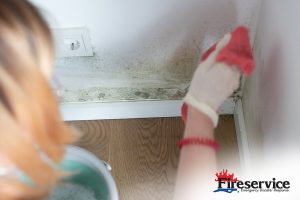
Mold and mildew thrive in moist environments, and their presence is a clear sign of water damage. Check for mold growth in corners, behind appliances, or any damp areas within your home. Mold often presents as black, gray, or green spots and is often accompanied by a musty odor.
Warped or Swollen Surfaces
When wood or drywall absorbs water, it can swell or warp over time. This may manifest as uneven or buckled flooring, doors that no longer close properly, or walls that appear uneven.
Musty Odor
A persistent musty smell in certain areas of your home is often indicative of hidden water damage, as it’s typically caused by mold or mildew. This odor is usually strongest in areas where the water damage is most severe or long-standing.
Increased Utility Bills
A sudden rise in your water bill without an increase in usage may indicate a hidden leak somewhere in your home. This can lead to water damage that is not immediately visible.
Sounds of Water
If you hear dripping, rushing, or leaking sounds even when faucets, toilets, and appliances are not in use, this could be a sign that water is traveling where it shouldn’t be. Listen carefully in quiet areas of the house.
Deteriorating Condition of Flooring
Check for soft, spongy areas on hardwood or laminate floors, or for loose tiles that may have started to lift. Carpet can also reveal water damage, often in the form of wet spots, fraying, or discoloration.
Cracks or Bubbles in Walls and Ceilings
Pay attention to any sudden cracks that appear, especially those accompanied by flaking or bubbled paint. This could indicate a slow leak coming from behind these surfaces, necessitating further investigation.
Rust or Corrosion
Corrosion on plumbing fixtures or appliances should not be overlooked, as it can be a sign that water has been present for an extended period. Rust on exposed metal can compromise structure and function over time.
Common Questions
Common causes of hidden water damage include:
– Leaking or burst pipes
– Roof leaks
– Poorly sealed windows or doors
– Faulty appliances, like dishwashers or washing machines
– Condensation from air conditioners
– Inadequate drainage or grading around the home’s foundation
To prevent hidden water damage, you can:
– Regularly inspect and maintain your plumbing, roof, and gutters
– Ensure proper ventilation in attics and bathrooms to reduce humidity
– Seal windows and doors properly
– Monitor your water bill for unusual increases
– Install a sump pump and backflow valves if you live in a flood-prone area
– Use water alarms in high-risk areas like basements or near water heaters
If you suspect hidden water damage, take the following steps:
– Investigate immediately by looking for the common signs
– Use tools like a moisture meter to detect damp areas
– Contact a professional water damage restoration service to conduct a thorough assessment
– Repair the source of the water problem promptly to prevent further damage
While minor repairs such as fixing a small leak might be manageable on your own, hidden water damage often requires professional intervention. Experts have the tools and experience to accurately assess the extent of the damage and properly restore and remediate the area, including addressing any mold growth. It’s advisable to hire a professional to ensure the issue is fully resolved and to prevent further complications.
Repairing Water Damage in Southwest Florida for 50+ Years
For over half a century, Fireservice has been a trusted leader in addressing water damage issues throughout Southwest Florida. With decades of experience under our belt, we have honed our expertise in providing rapid and effective solutions for water-related disasters, ensuring that homes and businesses are restored to their original state. We combine state-of-the-art technology with tried-and-true techniques to tackle water damage caused by storms, flooding, and plumbing mishaps. Our commitment to exceptional service and customer satisfaction has solidified Fireservice’s reputation as a dependable partner in the community for all water damage restoration needs.