In Southwest Florida, tropical storms are an inevitable part of life, leaving homes vulnerable to damage, particularly from water intrusion. While some damage is immediately obvious, like a gushing leak or standing water, other effects can be more insidious and costly over time if not addressed promptly. Subtle signs can often go unnoticed until they develop into significant issues such as mold growth, structural weakness, or costly repairs.
Understanding how to identify these hidden clues is crucial for homeowners to maintain a safe and healthy living environment. This guide will reveal essential tips for spotting concealed water damage within your property following a tropical storm, ensuring you take the necessary steps to protect your home from further harm.
How to Identify Signs
While some effects of a tropical storm are immediately visible, hidden water damage can pose a threat to the structural integrity of your home and your health. Here’s how to spot the less obvious signs of water damage after a tropical storm.
Inspect Your Roof and Attic
Check for Leaks and Signs of Moisture: Examine your roof for missing shingles, damaged flashing, or other visible signs of damage. Inside the attic, look for wet insulation or water stains on wood beams. These may indicate leaks that could lead to extensive water damage if not addressed.
Look For Mold Growth: Mold thrives in damp environments and can spread quickly. Check for signs of mold or mildew on exposed beams, insulation, or cardboard boxes.
Examine Walls and Ceilings
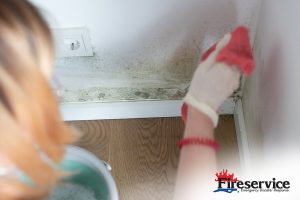
Identify Discoloration and Staining: Water damage often manifests as discolored patches or stains on walls and ceilings. Pay attention to any new or growing spots, particularly around windows, doors, and corners.
Feel for Softness or Warping: Gently press on walls and baseboards. Soft spots or warping in drywall indicate water saturation and potential hidden damage within the structure.
Check Flooring Materials
Look for Warping or Buckling: Hardwood or laminate floors are especially susceptible to water damage. Warping, buckling, or lifted sections of flooring may suggest moisture infiltration beneath the surface.
Notice Any Unusual Dampness or Odors: Damp carpets or a persistent musty smell can indicate underlying water damage. Consider pulling back carpet sections to inspect the flooring underneath.
Evaluate Windows and Doors
Inspect for Seal Damage: Check the seals around windows and doors. Cracked or broken seals can allow water to seep inside and compromise the surrounding structure.
Test for Smooth Operation: If windows or doors stick or are difficult to open, they may have absorbed moisture and become swollen or misaligned.
Monitor the Basement or Crawlspace
Check for Pooling or Standing Water: Basements and crawl spaces are particularly vulnerable to flooding. Look for standing water or dampness along the floor and walls.
Examine Foundation and Support Structures: Inspect for cracks or signs of erosion in the foundation. These can be indicators of water intrusion and require immediate attention.
Observe Exterior Elements
Inspect Siding and Trim for Damage: Wind-driven rain can cause damage to the siding and exterior trim of your home. Look for any cracks, breaks, or loose sections.
Check Downspouts and Gutters: Make sure gutters are intact and directing water away from the home. Blockages can lead to water pooling near the foundation.
Stay Vigilant After a Storm
Being vigilant after a tropical storm in Southwest Florida can protect your home from severe and costly water damage in the long run. Regular inspections and prompt attention to any signs of water issues help maintain the structural integrity and safety of your living environment.
If you suspect hidden water damage, contact Fireservice Emergency Disaster Response. Our team can identify damage, develop a restoration plan, and rebuild specific elements back to their prior state.