Fires can pose a significant threat to commercial establishments, leading to devastating losses in property, personnel, and productivity. The impact of such incidents extends beyond immediate damage, affecting a business’s reputation and financial stability. Therefore, prioritizing fire prevention and preparation is crucial for safeguarding assets and ensuring continuity.
By investing in fire safety measures and creating a culture of preparedness, businesses can protect their most valuable assets—their people and resources—while ensuring operational resilience and continuity in the face of potential disasters.
In this article, we’ll explore proper workplace fire procedures and how to prevent them from occurring.
What is a Commercial Fire?
Commercial fires refer to any uncontrolled fire occurring in a commercial building or space that can result in property damage, loss of inventory, injury, or even loss of life. These fires can affect various types of establishments, ranging from office buildings and retail stores to warehouses and factories. Understanding the nature of commercial fires is crucial for businesses, employees, and fire safety professionals.
Common causes of commercial fires include, but are not limited to:
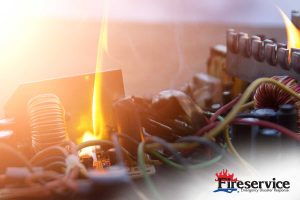
- Electrical Failures: Faulty wiring, overloaded circuits, and malfunctioning equipment can lead to fires.
- Cooking Equipment: Grease fires in kitchens are particularly dangerous in restaurants and cafes.
- Heating Equipment: Space heaters and HVAC systems can become fire hazards if not maintained.
- Flammable Materials: Inadequate storage or improper handling of flammable substances can lead to combustion.
How to Prepare for a Workplace Fire
Fire safety is a critical concern in every workplace, and having a proper fire procedure can save lives and minimize damage in the event of a fire. Establishing a clear and effective fire procedure involves planning, training, and communication.
Risk Assessment
Before preventing fires, it is vital to understand the specific risks in your workplace. Conducting a thorough fire risk assessment involves:
- Identifying potential fire hazards (flammable materials, faulty electrical equipment, etc.).
- Evaluating the likelihood of a fire breaking out.
- Determining the potential consequences of a fire.
Creating a Fire Safety Plan
An effective fire safety plan outlines the steps to be taken in case of a fire. The plan should include:
- Evacuation routes: Clearly marked paths employees should follow to exit the building safely.
- Assembly points: Designated safe areas outside the building where employees should gather after evacuating.
- Roles and responsibilities: Assigning specific tasks to designated fire wardens and staff during an emergency.
Safety Equipment
Ensuring that your workplace is equipped with proper fire safety equipment is essential. Key components include:
- Fire alarms: Install systems that provide audible alerts to signal a fire.
- Fire extinguishers: Equip the workplace with accessible extinguishers appropriate for the types of fire hazards present (e.g., Class A, B, C).
- Sprinkler systems: Consider installing automatic suppression systems for additional protection.
Training Employees
Regular training is crucial for ensuring all employees know what to do in the event of a fire. The training program should cover:
- Fire prevention techniques.
- How to use fire extinguishers and other firefighting equipment.
- Procedures for sounding the alarm and notifying emergency services.
- Conducting fire drills to practice evacuation procedures.
Clear Communication
It is essential to create clear communication processes related to fire safety, including:
- Posting fire safety plans and emergency contacts in visible areas.
- Utilizing signage to indicate evacuation routes and assembly points.
- Regularly updating employees about any changes to fire safety procedures or equipment.
Fire Drills
Regular fire drills are integral to ensuring that employees are familiar with the fire procedure. Drills should be:
- Scheduled semiregularly to maintain preparedness.
- Evaluated to identify any weaknesses in the fire response plan.
- Followed by discussions about any improvements needed.
How to Prevent Workplace Fires
Many fires can be prevented with appropriate precautions and training. This guide outlines essential strategies for minimizing the risk of fire in the workplace.
Identify Potential Risks
Conduct a thorough assessment of your workplace to identify common fire hazards. These may include:
- Flammable materials (e.g., paper, fabrics, chemicals)
- Overloaded electrical outlets
- Poorly maintained equipment
- Blocked exits and emergency routes
Maintain Electrical Safety
- Regular Inspections
- Ensure that all electrical systems and equipment are regularly inspected and maintained. Look for frayed wires, overloaded circuits, and malfunctioning devices.
- Proper Use of Electrical Equipment
- Encourage employees to use electrical equipment according to manufacturer instructions and to avoid daisy-chaining power strips.
Maintain a Clean Workplace
- Keep Work Areas Organized
- Encourage employees to maintain their workspace by keeping it clutter-free. Ensure that flammable materials are stored properly and that walkways and exits are unobstructed.
- Regular Cleaning Schedule
- Implement a regular cleaning schedule to minimize combustible waste, such as paper, cardboard, and other debris, which can fuel a fire.
Train Employees
- Fire Safety Training
- Offer fire safety training that covers fire prevention techniques, emergency response procedures, and the proper use of fire extinguishers.
- Ongoing Education
- Reinforce fire safety practices through ongoing education and reminders. Use newsletters, posters, and team meetings to keep fire safety at the forefront of workplace culture.
Commercial Fire FAQs
Understanding these risks and knowing how to respond can help mitigate damage and ensure safety. Here are some frequently asked questions about commercial fires, along with their answers.
In the event of a fire, businesses should follow these critical steps:
1. Sound the Alarm: Alert everyone in the building immediately.
2. Evacuate: Use the nearest exit to evacuate the building. Follow the designated evacuation route.
3. Call Emergency Services: Contact local fire authorities as soon as you are safely outside.
4. Avoid Smoke: Stay low to the ground to avoid inhaling smoke.
5. Do Not Use Elevators: Always use stairs during an evacuation.
6. Check for Injuries: Ensure everyone is accounted for and seek medical attention if needed.
After a fire, businesses should take several important steps:
1. Assess Damage: Evaluate the extent of the damage and inventory any losses.
2. Contact Insurance: Notify your insurance provider and begin the claims process.
3. Engage Professionals: Contact fire restoration services to address smoke or water damage and ensure the site is safe for reopening.
4. Review Safety Protocols: Analyze the incident and update fire safety policies and training to prevent future occurrences.
5. Support Employees: Provide support or resources for employees affected by the fire, both psychologically and financially.
Yes, various federal, state, and local laws and regulations mandate fire safety standards in commercial facilities. These include building codes, occupancy permits, and fire prevention regulations. Businesses must comply with these regulations and conduct regular inspections and drills to ensure preparedness.
Fire insurance for commercial properties is a type of coverage that protects businesses from losses due to fire damage. It typically covers the cost of repairs to the building, replacement of destroyed property, and potential loss of income due to business interruption. Businesses should carefully review their policy terms and collaborate with an insurance agent to ensure adequate coverage based on their specific needs.
Your Residential and Commercial Fire Restoration Team
The aftermath of a fire is a critical time that requires careful planning and professional intervention. Hiring a reputable fire restoration team ensures access to expertise, efficient restoration processes, advanced tools, insurance support, and emotional reassurance. Investing in experienced professionals not only protects the property but also provides peace of mind to those affected by the unfortunate event of a fire.
If your home or business has been damaged by a fire in Southwest Florida, give the experts at Fireservice Emergency Disaster Response a call. Our knowledgeable staff will guide you through the restoration process.