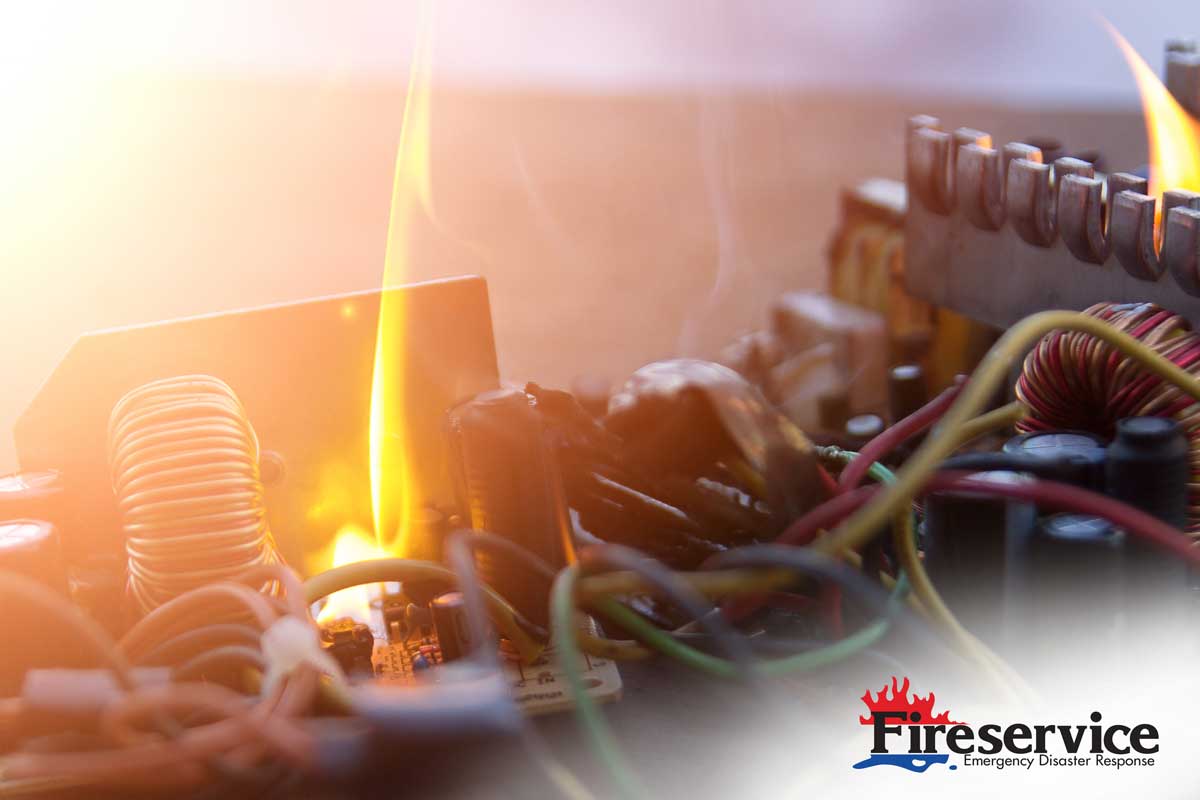
Electrical fires are one of the most devastating emergencies a homeowner can experience, often leaving behind extensive fire, smoke, and water damage that requires immediate professional attention. In Southwest Florida, factors such as aging electrical systems, frequent lightning storms, hurricane-related power surges, and increased energy demands can all contribute to the risk of electrical fire damage in homes.
Understanding what causes electrical fires, and knowing what to do after one occurs, can help protect your property, reduce repair costs, and keep your family safe. In this guide, we’ll explore the most common causes of electrical fire damage in SWFL homes, explain the cleanup and restoration process, and share practical tips to help prevent future incidents.
Common Causes of Electrical Fires in Southwest Florida Homes
Electrical fires can happen without warning, but many are caused by preventable issues that develop over time. Understanding these common causes can help homeowners identify potential hazards early and take steps to protect their property and family.
Aging or Outdated Electrical Wiring
In many homes across Southwest Florida, aging or outdated electrical wiring poses a significant fire hazard. As houses grow older, so do their electrical systems, which may not be equipped to handle the increased demand for electricity from modern appliances and devices. Worn insulation and corroded wires can lead to overheating and eventual ignition, especially in homes that haven’t had an electrical inspection in decades.
Overloaded Circuits and Extension Cords
Overloaded circuits are another common culprit behind electrical fires in the region. Homeowners often plug too many devices into a single outlet or rely heavily on extension cords as a permanent solution. This excessive load can cause circuits to overheat, melting wire insulation and sparking a fire. It’s crucial to distribute electrical load across multiple outlets and avoid using extension cords for long-term needs.
Hurricane and Lightning-Related Power Surges
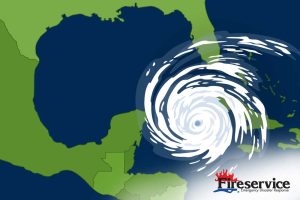
Southwest Florida is no stranger to hurricanes and lightning storms, which can deliver powerful electrical surges to home systems. These surges can overload circuits, damage wiring, and lead to fires if surge protection is not properly installed. Investing in whole-house surge protectors and unplugging sensitive electronics during storms are prudent steps in mitigating these risks.
Faulty Appliances and Electrical Equipment
Older or malfunctioning devices may have frayed cords, poor wiring, or internal shorts that can ignite materials nearby. Regular maintenance and replacing outdated or damaged appliances are essential practices to prevent these fire hazards.
Improper DIY Electrical Work
Homeowners tackling electrical projects without sufficient knowledge or experience can create dangerous situations. Incorrectly installed wiring, poor connections, or failure to adhere to local electrical codes may lead to circuits overheating or sparking.
What to Do Immediately After an Electrical Fire
Experiencing an electrical fire in your home can be both frightening and overwhelming. In the aftermath, knowing what steps to take immediately is crucial to ensure your safety and preserve your property. From documenting the damage to engaging professionals for restoration and inspection, each action plays a vital role in preventing further harm and facilitating recovery.
Prioritize Personal Safety and Contact Emergency Services
The moment you detect an electrical fire, your first priority must be personal safety. Quickly evacuate everyone from the premises, ensuring all family members, pets, and anyone nearby are safely outside. Once you’re out of danger, call emergency services immediately. Do not attempt to handle the fire by yourself; professional firefighters are equipped to manage such situations safely and efficiently.
Do Not Re-Enter the Home Until it Has Been Declared Safe
Resist the urge to re-enter your home until it has been thoroughly inspected and deemed safe by the fire department or relevant authorities. Electrical fires can cause structural damage, and unseen risks like lingering smoke, toxic fumes, or even the potential for re-ignition can pose significant hazards. Await a professional assessment to ensure the environment is secure before returning.
Document the Damage for Insurance Purposes
Once safety is assured and the fire is extinguished, document the damage as much as possible. Use your phone to take photographs or videos of affected areas to provide clear evidence of the fire’s impact. Detailed documentation is crucial for facilitating a smooth claims process with your insurance provider, aiding in a more accurate and quicker settlement.
Contact Fireservice Emergency Disaster Response
After documenting the damage, your next step should be to contact Fireservice. Our experts are equipped with the necessary skills and tools to thoroughly assess and restore your home. Our services ensure that hazardous materials are handled safely, and the restoration process is conducted efficiently, reducing the likelihood of long-term damage.
Avoid Cleaning Soot or Restoring Power Yourself
It might be tempting to start cleaning up soot or restoring power yourself to minimize the destruction, but it’s essential to avoid doing so. Soot contains harmful particles that could pose health risks, and electrical systems compromised by fire can be highly dangerous. Leave these tasks to trained professionals who can address these issues without jeopardizing your safety or the integrity of your home’s electrical system.
The Electrical Fire Damage Cleanup and Restoration Process
1. Emergency Board-Up and Property Stabilization
The initial phase in the electrical fire damage restoration process is the emergency board-up and property stabilization. After the fire is extinguished, securing the property is essential to prevent further damage from weather elements or potential vandalism. Professionals promptly board up windows, doors, and other openings to stabilize the structure and ensure safety for the cleanup crew and property owners. This step is crucial for maintaining the integrity of the affected area while the restoration process begins.
2. Smoke and Soot Removal
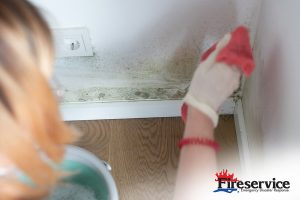
Once the property is secured, the next step is to tackle the pervasive smoke and soot damage left behind by the fire. Smoke and soot can cause extensive damage to walls, ceilings, and furniture, and their acidic properties can lead to corrosion and discoloration if not addressed quickly. Restoration experts use specialized cleaning techniques and equipment to thoroughly remove smoke residues and soot from all affected surfaces, mitigating long-term damage and preparing the space for further restoration activities.
3. Water Extraction and Structural Drying
If firefighting efforts involved significant use of water, it’s essential to conduct water extraction and structural drying. Standing water, if left unaddressed, can lead to mold growth and further structural damage. Restoration teams employ high-efficiency water extraction equipment followed by industrial-grade dehumidifiers and air movers to thoroughly dry the space. Comprehensive moisture detection ensures that even hidden pockets of water are eliminated, preventing secondary damage and ensuring a stable environment for ongoing repairs.
4. Odor Removal and Air Quality Restoration
Following smoke and soot removal, restoring the indoor air quality and eliminating odors becomes the focus. Smoke odors can linger long after the fire is extinguished, and without proper treatment, they can permeate fabrics, carpets, and even surfaces. Professionals utilize advanced odor removal techniques, including thermal fogging and ozone treatments, to neutralize and eliminate odors. Air scrubbers and HEPA filters are also employed to ensure clean, breathable air in the property, promoting a healthier environment for inhabitants.
5. Structural Repairs and Rebuilding
With the property stabilized, dried, and deodorized, structural repairs and rebuilding can commence. This step involves addressing any fire or water damage to the building’s materials, such as replacing drywall, flooring, and insulation, and also repairing or replacing compromised structural elements like beams and roofs. Skilled construction professionals work to restore the property to its pre-loss condition, ensuring that the building is both safe and restored to its former aesthetic and functional standards.
6. Electrical System Inspection Before Restoring Power
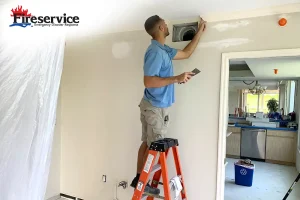
The final step in the electrical fire damage restoration process is conducting a thorough inspection of the property’s electrical system before restoring power. Certified electricians examine the wiring, outlets, and electrical panels for damage caused by the fire to ensure they are safe and operational. Any damaged components are repaired or replaced, and additional safety measures are implemented to prevent future incidents. Once the system is verified to be safe, power is restored, marking the completion of the restoration process and the safe return of the premises to its occupants.
How to Prevent Electrical Fires in SWFL Homes
Preventing electrical fires in Southwest Florida homes is crucial to ensure the safety and protection of both property and residents. These preventative measures not only safeguard against potential hazards but also provide peace of mind, creating a safer living environment.
- Schedule routine electrical inspections
- Upgrade outdated electrical panels and wiring
- Install whole-home surge protection
- Replace damaged cords and avoid overloaded outlets
- Test smoke alarms and replace batteries regularly
Fireservice Can Restore Your Home Following an Electrical Fire
In the aftermath of an electrical fire, restoring your home and achieving peace of mind is paramount. Fireservice offers the expertise and compassionate care needed to help you navigate through this challenging time. With professional restoration services, including smoke and soot removal, structural repairs, and full cleanup, Fireservice can bring your home back to its original condition.
Don’t let the stress of recovery overwhelm you; reach out to Fireservice today and allow us to restore both your home and your sense of security.