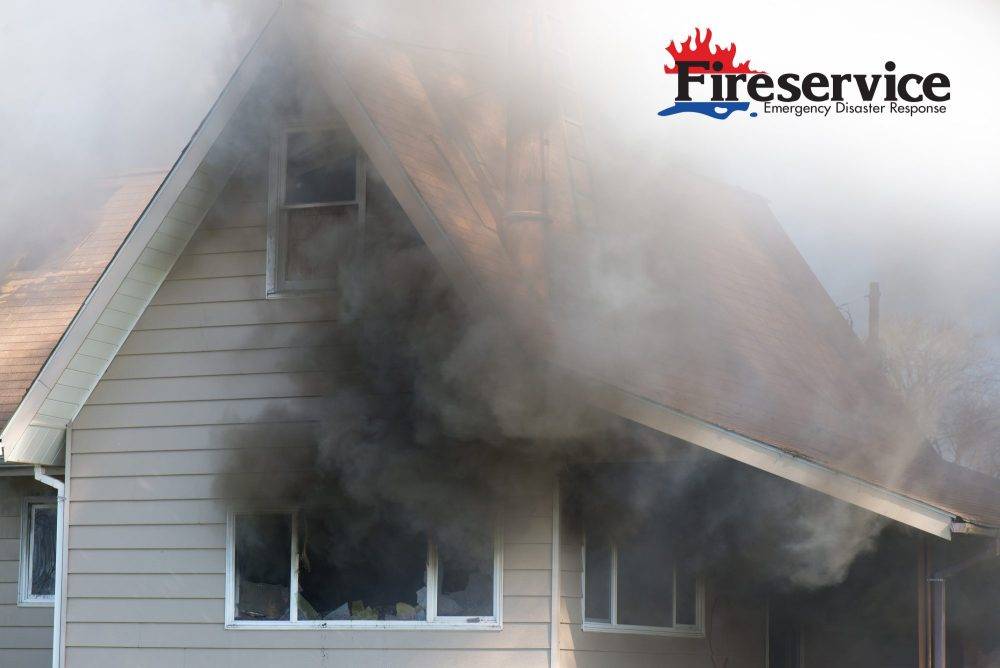
The aftermath of a fire can be devastating, leaving not only physical damage but also an insidious reminder of the event: smoke odor. The lingering scent of smoke can permeate walls, furniture, and fabrics, creating an environment that is not only unpleasant but also potentially harmful to health. Removing smoke odor is crucial for restoring both the comfort and safety of a home or business.
Beyond mere aesthetics, the presence of smoke can indicate the potential for ongoing respiratory issues and other health concerns due to lingering toxins. A musty smell can deter potential buyers or tenants in real estate scenarios, hindering recovery efforts after a disaster.
In this article, we will explore effective strategies for eliminating smoke odor from your living or working space, ensuring that you reclaim a healthy and welcoming environment.
Our Smoke Odor Removal Process
Our comprehensive process involves removing smoke odor from your property, detailing essential steps ranging from initial assessment and cleaning techniques to advanced deodorization methods. By understanding these steps, property owners can take proactive measures to reclaim their space post-fire.
Initial Assessment and Safety Precautions
Before beginning any cleanup efforts, it’s crucial to assess the extent of the damage. Ensure that the fire is completely extinguished and that the area is safe for entry. Wear protective gear, including masks, gloves, and goggles, to shield yourself from harmful particles and chemicals released during combustion. If structural damage is present or if hazardous materials are involved (such as asbestos), it may be necessary to consult with professionals before proceeding.
Ventilation
The next step involves ventilating the affected area. Open windows and doors to allow fresh air to circulate.
Cleaning of Surfaces
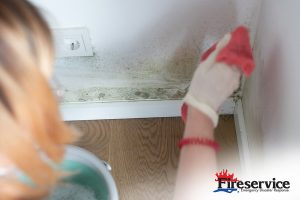
Once the area is adequately ventilated, it’s time to focus on cleaning surfaces that have absorbed smoke particles. Begin by removing any salvageable items from the space, including furniture, carpets, and curtains. These should be cleaned separately or replaced if they are beyond repair. For walls and ceilings, use a mixture of mild detergent and water with a sponge or cloth to scrub away soot stains. Be sure to work from the top down to prevent dirty water from dripping onto already cleaned areas. After washing, rinse surfaces thoroughly to ensure all cleaning agents are removed.
Treatment of Fabrics and Upholstery
Fabrics can trap smoke odors more effectively than hard surfaces. Soft furnishings such as carpets, curtains, and upholstery may require special attention. Begin by vacuuming these items thoroughly to remove loose soot and ash. For washable fabrics, follow the manufacturer’s instructions for laundering, using a heavy-duty detergent designed to neutralize odors.
For non-washable fabrics, consider using a professional cleaning service that specializes in smoke damage restoration. In some cases, an ozone treatment or dry-cleaning process may be necessary to effectively eliminate the odor. Additionally, consider applying fabric-safe odor absorbers or deodorizers specifically formulated for smoke removal.
Air Purification
After cleaning surfaces and fabrics, it’s essential to address the air quality within the space. Smoke particles can linger in the air long after visible residue has been removed. High-quality air purifiers equipped with HEPA filters can help capture and eliminate remaining smoke particles, allergens, and odors. Placing these purifiers strategically throughout the affected area to maximize their effectiveness. Additionally, using activated charcoal or baking soda as natural deodorizing agents; placing bowls of these substances around the space can further absorb lingering smells.
Advanced Deodorization Techniques
In cases where cleaning alone does not fully eliminate smoke odor, advanced deodorization techniques may be necessary. One effective method is fogging, which involves using a specialized machine to disperse a deodorizing solution into the air. This solution penetrates surfaces and fabrics that traditional cleaning methods may miss. It’s important to choose products specifically designed for smoke odor removal to ensure effectiveness. Additionally, thermal fogging can be employed, which uses heat to create a fog that allows the deodorizing agent to penetrate porous materials deeply.
Another advanced method is the use of ozone generators. These machines produce ozone, which can effectively neutralize smoke odors. However, caution is required with this technique, as ozone can be harmful to humans and pets in high concentrations. Ensure that all occupants are evacuated from the premises during treatment and allow adequate time for proper ventilation before re-entry.
Post-Cleanup Inspection
Once all cleaning and deodorization efforts are done, we’ll inspect the area. We Check for any remaining odors or visible signs of smoke damage.

Why is Fire Smoke Odor Harmful?
While many might see the scent as a nuisance, it is essential to recognize that the odor of smoke carries many harmful effects that can pose serious health risks. Composed of complex mixtures of gases and fine particulate matter, smoke contains toxic chemicals that can infiltrate structures, permeate belongings, and persist in the environment.
Exposure to smoke odor is not simply a matter of discomfort; it can lead to significant health problems. The particulate matter and volatile organic compounds (VOCs) present in smoke can enter the respiratory system, causing irritation and exacerbating pre-existing conditions such as asthma or chronic obstructive pulmonary disease (COPD). Individuals may experience symptoms ranging from coughing and wheezing to shortness of breath. These effects are particularly pronounced in vulnerable populations, including children, the elderly, and those with compromised immune systems.
Prolonged exposure to smoke odors can also have long-term consequences on lung health. Research has shown that inhaling fine particles found in smoke may contribute to the development of respiratory diseases over time. Notably, some studies have linked exposure to smoke with an increased risk of lung cancer. The carcinogenic compounds present in smoke, such as benzene and formaldehyde, pose a serious threat, particularly when inhaled over extended periods.
Smoke odor indicates a significant compromise in indoor air quality. Smoke particles can settle on surfaces, infiltrate HVAC systems, and become trapped in upholstery and carpets. This can lead to persistent odors that are difficult to eliminate and may result in ongoing health risks due to the continuous release of harmful substances into the air.
Cleaning efforts post-fire often fall short if proper remediation techniques are not employed. Standard cleaning methods may mask the odor temporarily but fail to address the root cause—residual particulates and chemicals embedded in materials. Without thorough cleaning and restoration, these substances can continue to degrade indoor air quality, leading to an uncomfortable living environment and potential health hazards for occupants.
FAQs: Smoke Odor from a Fire
From understanding why these smells persist to exploring effective removal methods and prevention strategies, our goal is to provide clear answers and practical solutions for anyone dealing with this complex issue.
Smoke odors persist due to the nature of smoke itself. When materials burn, they release tiny particles and gases that can penetrate porous surfaces such as wood, drywall, and upholstery. These particles can become trapped in the fibers of carpets, curtains, and even walls, making it difficult to eliminate the smell completely without proper treatment.
Signs of smoke damage may include visible soot on surfaces, discoloration on walls or ceilings, and an acid odor that lingers even after cleaning. You may also notice a residue on furniture or electronics, and fabrics might feel greasy or stained. If you suspect smoke damage but cannot see any obvious signs, it may be beneficial to have a professional inspection conducted.
While many homeowners and business owners can tackle minor smoke odors with DIY methods, significant smoke damage often requires professional intervention. If the smell persists after thorough cleaning and deodorizing efforts, or if there is extensive soot and residue present, it’s advisable to consult a restoration expert. They have specialized equipment and expertise that can effectively address stubborn odors and prevent long-term damage.
Yes, lingering smoke odors can pose health risks, especially for individuals with respiratory issues such as asthma or allergies. Smoke contains harmful chemicals and particulate matter that can irritate the lungs and exacerbate existing conditions. Prolonged exposure to these odors may also lead to headaches, throat irritation, and other discomforts. It is crucial to address smoke odors promptly to ensure a safe and healthy environment for all occupants.
The duration for smoke odors to dissipate can vary widely depending on the extent of the fire, the materials involved, and the methods used for cleaning. In some cases, light smoke odors may lessen within a few days with proper ventilation and cleaning. However, more severe smoke damage can result in lingering odors that last weeks or even months if not addressed adequately. Immediate action is key to reducing the duration of these smells.
Your Smoke Odor Removal Experts in Southwest Florida
Experiencing a structural fire is a devastating event that can leave home and business owners feeling overwhelmed and uncertain about the next steps. Amidst the wreckage, one of the most persistent and challenging consequences of smoke damage is the lingering odor that permeates walls, furnishings, and even air systems. While many may attempt DIY methods to mitigate this issue, hiring experts for smoke odor removal is not just advisable; it’s essential.
The professional smoke remediation team at Fireservice possesses specialized knowledge and equipment designed to effectively eliminate smoke odors at their source, ensuring a safe and healthy living environment.
If your home or business has lingering smoke odor from a fire, give us a call today.