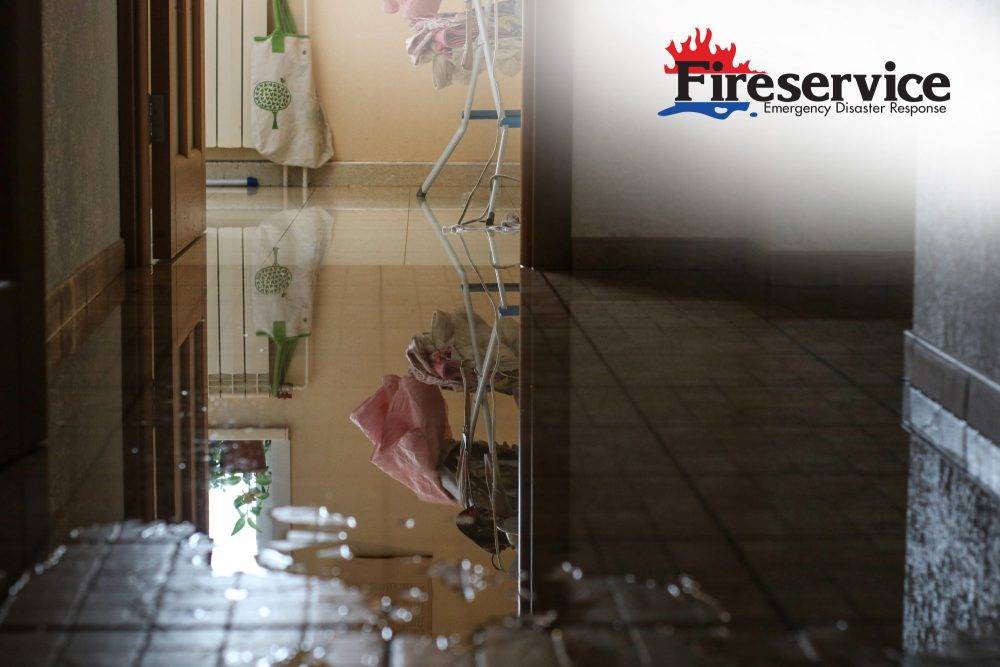
Flooding can strike with little warning, leaving devastating consequences in its wake. Each year, homes across the country face this risk, whether due to heavy rains, storm surges, or failing infrastructure.
Creating an emergency flood plan for your home is crucial in minimizing both damage and disruption. This proactive approach not only safeguards your property but also provides peace of mind for you and your family in the face of an emergency. It empowers you to navigate the chaos that floods can bring, ensuring that you are prepared to protect what matters most.
In this article, we’ll discuss what to do if your home floods from a natural disaster, broken pipe, or any other occurrence.
Take Immediate Action
Flooding can be an overwhelming and damaging occurrence, having an immediate action plan can help reduce physical and emotional distress. Knowing how to react promptly can mitigate damage and ensure safety.
- Evacuate if Necessary
- If the flooding is severe or if water is rising quickly, prioritize your safety. Evacuate the premises immediately if you are in a life-threatening situation.
- Turn Off Utilities
- Before heading outdoors, if it is safe to do so, turn off your electricity, gas, and water supply to prevent electrical hazards, gas leaks, and further water damage.
- Avoid Walking or Driving Through Floodwaters
- Stay away from water that is deep enough to cause harm. It can be deceptive and carry dangerous currents or hidden hazards.
What Should You Do Next?
After ensuring the safety of you and your family, the next steps are crucial in ensuring the structural integrity of your home.
Assess the Situation
- Identify the Source of the Flooding
- Determine whether the flooding is from natural sources, such as heavy rain or a nearby river, or from man-made sources like burst pipes. This knowledge can help you in communicating with professionals for restoration.
- Check for Structural Damage
- Inspect your home from a safe distance. Look for signs of structural damage such as cracks in the foundation, sagging ceilings, or tilting walls. Avoid entering the property if it seems unstable.
Document the Damage
- Take Photos and Videos
- Document the extent of the damage by taking photos and videos of affected areas, including belongings and structural components. This will aid in insurance claims later.
- Keep Records of Communication
- If you contact emergency services or your insurance company, make records of those calls, including names, time, and advice given.
Contact Emergency Services
- Call for Professional Help
- If the flooding is extensive, contact local emergency services or a professional water damage restoration service to handle the situation effectively.
- Notify Your Insurance Provider
- Report the flooding incident to your insurance company as soon as possible. Provide them with the documentation you gathered. They will guide you on the next steps regarding your claim.
Begin Mitigation Efforts
- Remove Standing Water
- If it is safe, start removing standing water using buckets, mops, or a wet/dry vacuum. However, don’t put yourself at risk; wait for professionals if the situation is beyond your control.
- Protect Your Belongings
- Move furniture, electronics, and other important items to higher ground if you have not already done so. Even if they have been damaged, they may still be subject to insurance coverage.
Clean and Dry the Area
- Fans and Dehumidifiers
- Fans and dehumidifiers are essential pieces of equipment to help a structure dry. Doing this promptly is crucial to preserving furniture and preventing mold growth.
- Clean and Disinfect
- If flooding occurs from rising waters (category 3 water), porous materials must be removed (drywall, insulation, trim boards, cabinets, etc.) not just disinfected. The flood waters carry bacteria from animals, fuel and oil from roads and cannot be properly disinfected. If it is clean water or Category 1 water, you can try and dry it in place, as long as the drying process is started within 72 hours.
Monitor for Mold Growth
- Regular Checks
- Keep an eye on areas that are prone to retaining moisture. Mold can develop quickly after water exposure, so proactive monitoring is essential.
- Contact Professionals for Mold Remediation
- If you notice any mold growth or persistent dampness, contact mold remediation specialists to investigate and resolve the issue.
*If you don’t feel comfortable or capable of performing the following steps, it’s essential to have a restoration professional handle the situation*
Home Floods: FAQs
This FAQ section aims to provide essential guidance and clarity around home flooding situations. Stay prepared and proactive to minimize the impact of future floods.
Maintain Gutters and Downspouts: Regularly clean gutters and ensure downspouts direct water away from your foundation.
Use Flood Barriers: Utilize sandbags or flood barriers in flood-prone areas around your home to keep water at bay.
Grade Your Property: Ensure that the ground around your home slopes away from the foundation to facilitate proper drainage.
Check Flood Maps: Consult local flood zone maps available through your municipality or the Federal Emergency Management Agency (FEMA) that indicate the flood risk level in your area.
Observe Local Weather Patterns: Be aware of frequent heavy rains, overflowing rivers, or nearby construction projects that may increase flood risks.
Consider Your Location: Homes near rivers, lakes, and in low-lying areas are often more susceptible to flooding.
Dry Out the Area: Mold can begin to grow in about 72 hours, so expedite drying.
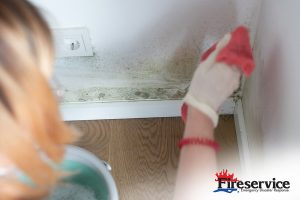
Assess Damage: If you find mold, assess the extent of the damage. Small areas can be cleaned with soap and water; extensive growth or contamination may require professional remediation.
Wear Protective Gear: If handling mold, wear protective clothing, gloves, and a mask to prevent exposure.
Yes, Consider It: For extensive damage, hiring a professional restoration service can ensure that the cleanup and repairs are handled safely and effectively.
Check Credentials: Look for licensed, insured professionals with experience in flood recovery to avoid further issues.
Your Flood & Water Restoration Experts
In the aftermath of flooding and water damage in Southwest Florida, the importance of hiring a reputable flood and water restoration company cannot be overlooked.
At Fireservice Emergency Disaster Response, our expertise, advanced equipment, comprehensive services, and commitment to health and safety play a vital role in restoring homes and businesses effectively and efficiently.
If you need flood or water restoration services, don’t hesitate to contact our team.