Gas leaks in the home should never be taken lightly. Whether it is a small leak from a stove or a larger leak from a natural gas line, the consequences can be severe. According to the National Fire Protection Association, gas leaks are responsible for an average of 17 deaths and 360 injuries per year in the United States alone.
From explosions, carbon monoxide poisoning, and igniting fires, gas leaks pose a serious threat. In this article, we’ll explore signs of gas leaks, why they happen, and how to protect your home.
Signs of a Gas Leak in Your Home
It’s crucial to be aware of the signs that indicate a gas leak so you can take immediate action to protect yourself and your family. By being vigilant and knowing what to look for, you can help prevent a potentially devastating situation from occurring.
- Distinct Smell: One of the most common signs of a gas leak in your home is the distinct smell of rotten eggs or sulfur. Natural gas is odorless, but gas companies add a chemical called mercaptan to give it that distinctive smell. If you detect this odor in your home, it’s important not to ignore it and to take immediate action.
- Whistling Sound: Another sign of a gas leak is a hissing or whistling sound near a gas line or appliance. This could indicate that there is a leak in the line and should be investigated further. Pay attention to any unusual sounds coming from your appliances or gas lines and seek professional help if you suspect a leak.
- Physical Symptoms: Physical symptoms such as dizziness, nausea, headaches, fatigue, or difficulty breathing can also be indicators of a gas leak in your home. If you or your family members are experiencing any of these symptoms and they improve when you leave the house, it could be a sign that there is a gas leak present.
- Dead Vegetation Near Gas Line: Dead or discolored vegetation is a common sign of a gas leak. As natural gas leaks from pipes into the ground, it displaces oxygen in the soil, dries the earth, suffocates, and kills the roots of the trees and plants growing there.
If you notice any of these signs of a gas leak in your home, it’s important to act quickly. First and foremost, evacuate the premises immediately and call your gas company or emergency services. Do not turn on any lights or use any electrical devices in the area, as this could spark a fire or explosion.
Why do Gas Leaks Happen?
Appliances such as stoves, water heaters, and furnaces that run on natural gas can develop leaks over time due to wear and tear or improper maintenance. Inadequate installation or damage to the appliance can also lead to gas leaks. It’s important to regularly inspect and maintain your appliances to ensure they are in good working condition and not leaking gas.
Another reason for gas leaks in a home is aging pipelines. Over time, the pipes that supply gas to your appliances can degrade or corrode, leading to leaks. Older homes with outdated piping systems are particularly at risk for gas leaks.
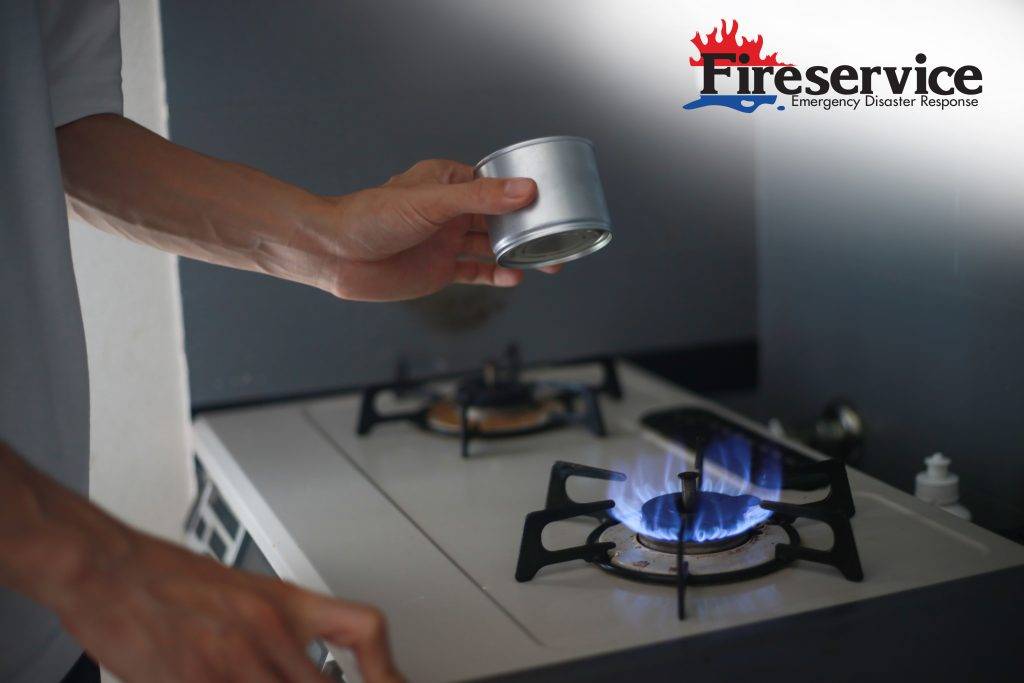
Human error can also contribute to gas leaks in a home. For example, accidentally leaving a gas stove on without a flame can result in gas leaking into the air. Improperly connecting or disconnecting gas lines when installing new appliances can also lead to leaks. It’s important to always follow manufacturer instructions and guidelines when working with gas-powered appliances to prevent accidents.
How to Protect Your Home from a Gas Leak
It’s crucial for homeowners to take preventative measures to protect their families and property from potential gas leaks:
Carbon Monoxide Detectors
These devices can alert you to the presence of dangerous levels of this odorless, colorless gas before it becomes a serious threat. Be sure to test your detectors regularly and replace batteries as needed to ensure they are functioning properly.
Regular Maintenance
It’s essential to schedule regular maintenance for your gas appliances. Have a qualified technician inspect and service your furnace, water heater, stove, and any other gas-powered equipment annually. This will help identify and address potential issues before they escalate into a gas leak.
Follow Manufacturer’s Instructions
Always follow manufacturer’s instructions for all gas appliances, including proper ventilation and maintenance procedures. Never use gas-powered equipment indoors or in enclosed spaces, as this can increase the risk of a leak.
Common Questions About Gas Leaks
If you suspect a gas leak in your home, it is important to act quickly. Leave the area immediately and avoid using any electrical devices that could ignite the gas. Do not turn on or off any lights or appliances, and do not use your phone until you are safely outside.
If you smell gas in your home, do not try to locate the source of the leak yourself. Leave the area immediately and call your gas company or emergency services for assistance. Do not use any electrical devices or open flames, as these could ignite the gas.
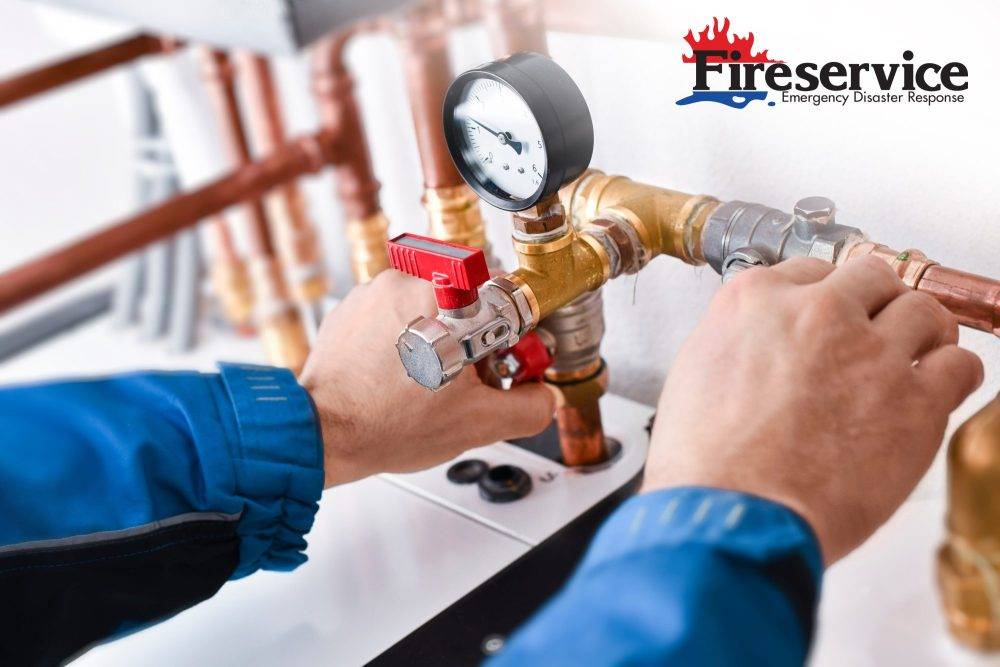
If you suspect a gas leak in your home, it is important to know how to safely turn off your gas supply. Locate the main gas shut-off valve, typically near your gas meter or where the gas line enters your home. Use a wrench to turn the valve clockwise to shut off the gas supply. Do not turn the gas back on yourself – wait for a professional to inspect and repair any leaks before restoring the gas supply.
After a gas leak has been addressed and repaired by a professional, it is important to ventilate your home by opening doors and windows. Avoid using any appliances that use gas until you have received clearance from a professional that it is safe to do so. Consider having your gas appliances inspected regularly to prevent future leaks and ensure the safety of your home and family.
Gas leaks are a serious safety hazard that can potentially lead to disastrous consequences, including fires. Gas leaks occur when there is an escape of natural gas from a pipeline or appliance, such as a stove or water heater.
Gas Leaks Can Lead to a Major Disaster
The potential for a major disaster looms large when a gas leak goes undetected or unaddressed. It is crucial to understand the risks associated with gas leaks to take the necessary precautions and prevent potential disasters. They have the potential to escalate into major disasters if not promptly addressed. By understanding the risks associated with gas leaks and taking proactive measures to prevent them, we can protect ourselves, our property, and our environment from the devastating consequences of a gas-related disaster.
If your home or business has sustained fire damage from a gas leak or any other occurrence, contact Fireservice Emergency Disaster Response. Our experienced team can restore and remodel your property back to its original condition.