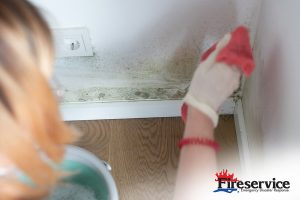
Have you ever noticed a musty smell lingering in your home or unsightly spots creeping up your walls? Could it be that your cozy indoor environment is turning into a breeding ground for mold?
Mold thrives in warm, damp environments and can spread rapidly if not dealt with effectively. Factors such as humidity, poor ventilation, and even certain building materials can significantly contribute to mold growth.
By identifying and addressing conditions that promote its development, you can safeguard your home from the negative effects of this unwanted intruder.
Excess Moisture and Humidity
Role of Moisture
Mold thrives in damp areas, making excess moisture the primary culprit in indoor mold growth. Whether from leaks, floods, or high humidity levels, moisture creates the perfect environment for mold spores to settle and multiply.
Sources of Moisture
Common sources include leaking roofs, plumbing issues, or even condensation in poorly ventilated areas. High humidity levels indoors, regularly exceeding 60%, can also foster mold growth on walls, ceilings, and other surfaces.
Inadequate Ventilation
Ventilation Issues
Poor ventilation is a significant contributor to increased indoor humidity and moisture retention, both of which are crucial to mold development. When air circulation is inadequate, moisture can become trapped in certain areas, providing an ideal breeding ground for mold.
Importance of Airflow
Proper airflow helps regulate humidity levels and frequently dries out areas prone to accumulating moisture. Ventilation is especially critical in areas such as bathrooms and kitchens, where steam and water are prevalent.
Insufficient Insulation
Impact of Insulation on Moisture Control
Proper insulation is essential to prevent condensation, especially in colder climates where warm and cool air can collide. When warm, moist air encounters cold surfaces, condensation can form, leading to dampness and the potential for mold growth.
Problem Areas
Common problem areas include windows, door frames, and exterior walls. Ensuring that these areas are properly insulated can help minimize condensation and mold intrusion.
Temperature Regulation
Influence of Temperature
Mold spores can survive in a broad temperature range, but warm temperatures typically speed up their growth. Keeping indoor temperatures consistently high might inadvertently favor mold proliferation.
Maintaining Balanced Temperatures
Maintaining a balanced indoor temperature and avoiding extreme warmth can reduce the chances of spontaneous mold development. Utilizing air conditioning and heating systems properly can assist in achieving this balance.
High-Risk Areas for Mold in Your Home
Understanding the high-risk areas for mold in your house can help you prevent its growth or identify signs.
- Bathrooms
- Tips for Prevention: Ensure adequate ventilation using exhaust fans, clean and dry surfaces regularly, and fix leaks promptly.
- Kitchens
- Tips for Prevention: Use an exhaust fan while cooking to manage steam, regularly wipe down damp areas, and inspect plumbing for leaks.
- Attics
- Tips for Prevention: Ensure roof integrity to prevent leaks, install proper ventilation to maintain airflow, and avoid storing damp materials.
- Laundry Rooms
- Tips for Prevention: Vent dryers to the outside, clean lint traps regularly, and check hoses and pipes for leaks.
How Can Fireservice Help with Mold Issues?
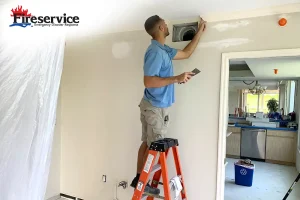
With rapid response times, professional-grade equipment, and experienced technicians, our team identifies the source of moisture, safely removes mold, and restores affected areas.
By combining thorough inspection, effective remediation, and preventative measures, we help homeowners and businesses not only eliminate mold but also reduce the risk of it returning, giving you confidence that your space is safe, dry, and fully restored.
Contact our mold professionals today!