Mold is a common but often overlooked issue that can pose significant health risks to individuals and families alike. Found in damp, humid environments, these fungi thrive in homes and buildings, often going unnoticed until they become a serious problem. The dangers of mold extend beyond unsightly stains and musty odors; prolonged exposure can lead to a variety of health complications. From respiratory issues and allergic reactions to more severe conditions affecting the immune system, understanding the health risks associated with dangerous molds is crucial for maintaining a safe living environment.
In this article, we’ll explore what makes certain mold dangerous, different types of dangerous mold, and what you need to look for.
What Makes Certain Mold Dangerous?
Understanding what makes certain mold species dangerous requires a closer look at their biological makeup, growth patterns, and the specific toxins they generate.
Mold spores are remarkable in their ability to adapt and flourish in a variety of environments, particularly those characterized by moisture. This adaptability is one of the reasons why specific molds can be dangerous.
For instance, species such as Aspergillus, Stachybotrys, and Penicillium not only thrive on organic materials but also reproduce quickly under favorable conditions. The rapid multiplication of these organisms contributes significantly to increased exposure risk for individuals who may already have compromised immune systems or pre-existing respiratory conditions.
Certain molds produce mycotoxins that can lead to severe health consequences. These toxic compounds vary among different mold species and can affect human health in numerous ways. Some mycotoxins are known carcinogens, while others can cause neurological damage, immune system suppression, and chronic respiratory issues.
Dangerous Types of Molds
Whether you’re dealing with water damage or simply want to safeguard your family’s well-being, knowing which molds to watch out for is essential for creating a healthy indoor space.
Stachybotrys Chartarum
Often referred to as black mold, this species thrives in environments with high moisture content, particularly on materials like wood, paper, and drywall. Stachybotrys releases mycotoxins that can lead to serious health issues such as chronic respiratory problems, headaches, fatigue, and even memory loss in extreme cases. Its presence often indicates significant water damage or poor ventilation.
Aspergillus
This genus includes various species capable of producing harmful mycotoxins. While some types are used in food production (like Aspergillus oryzae), others can cause severe health issues. For example, “Aspergillus flavus” is known for producing aflatoxins, which are potent carcinogens. Exposure to this mold can lead to respiratory infections and allergic reactions, particularly in individuals with compromised immune systems.
Penicillium
While some species of Penicillium are beneficial and used in antibiotic production (like penicillin), others can produce mycotoxins that pose health risks. Certain types of Penicillium can lead to respiratory problems, allergic reactions, and even toxic effects if inhaled or ingested.
Cladosporium
Commonly found outdoors but also prevalent indoors, it can trigger allergies and asthma symptoms. Though it is not as infamous as black mold, it can still pose a risk to individuals with preexisting respiratory conditions. Cladosporium thrives in damp environments and can often be found on surfaces like wood, textiles, and even in soil.
Fusarium
This can be particularly dangerous due to its ability to produce harmful mycotoxins such as trichothecenes. These toxins are not only harmful when inhaled but can also lead to serious gastrointestinal issues if ingested. Fusarium is often found in soil and decaying plant matter, making it a common contaminant in agricultural products. Its presence in homes or businesses can indicate significant water damage and poor hygiene practices.
What to Look for
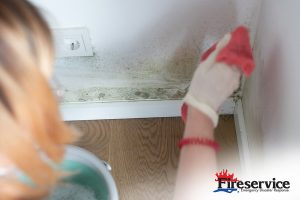
One of the most apparent signs of mold presence is visible growth. Dangerous mold often appears in specific colors such as black, green, or white, but can also manifest as a fuzzy or slimy texture.
Pay attention to areas that are frequently damp or have experienced water damage, as these environments are conducive to mold development. Surfaces like walls, ceilings, and floors may exhibit discoloration or dark spots that could indicate an underlying mold issue. Inspecting hidden spaces, such as behind appliances and under sinks, is equally important since mold may thrive out of sight.
Dangerous Mold: FAQs
Here we provide answers to the most common questions we receive regarding dangerous mold growth.
Signs of a potential mold issue include visible growth on surfaces, a musty odor, and water stains or dampness on walls and ceilings. Additionally, increased allergy symptoms or respiratory issues among family members can be indicative of mold presence. If you suspect mold, it’s important to investigate further, as some mold types can thrive in hidden areas like behind walls or under carpets.
Exposure to dangerous mold can lead to a range of health issues, including respiratory problems (such as asthma and bronchitis), allergic reactions (like sneezing and skin rashes), headaches, fatigue, and even neurological symptoms in severe cases. Individuals with compromised immune systems or pre-existing respiratory conditions are at higher risk of experiencing serious health effects.
To prevent mold growth, maintain low indoor humidity levels (ideally between 30-50 %), ensure proper ventilation in areas prone to moisture (such as bathrooms and kitchens), promptly fix any leaks or water damage, and use mold-resistant materials when renovating. Additionally, regularly cleaning and drying surfaces that are prone to moisture can help inhibit mold development.
If you discover mold, it’s essential to address the issue promptly. For small patches of mold (less than 10 square feet), you may be able to clean it yourself using a solution of water and detergent or a commercial mold remover. Make sure to wear protective gear such as gloves, goggles, and an N95 respirator mask. However, for larger infestations or if you’re unsure about the extent of the problem, it is advisable to contact a professional mold remediation service. They have the expertise and equipment needed to safely remove mold and prevent future growth.
Trust Your Mold Removal Experts
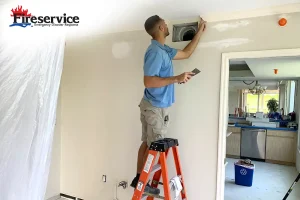
While some may consider tackling mold removal as a DIY project, the reality is that this approach can lead to inadequate remediation and even further complications. Trusting mold removal experts not only ensures the job is done safely and effectively but also safeguards your home and your health.
The professionals at Fireservice have specialized knowledge, advanced tools, and utilize best practices necessary to identify hidden mold sources, prevent recurrence, and create a healthy living environment.
If you detect signs of mold growth in your home or business, contact us today!