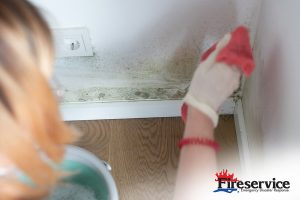
A musty smell in your home can be more than just an unpleasant nuisance; it often signals underlying issues that need immediate attention. This persistent odor is frequently associated with dampness and decay, suggesting the presence of mold, mildew, or other sources of moisture-related problems. Whether it’s a result of water damage from a leaky roof, inadequate ventilation in basements and crawl spaces, or even the accumulation of dust and organic materials, identifying the root cause of that musty scent is crucial for maintaining a healthy living environment.
In this article, we will explore the common culprits behind musty odors in homes and provide insights on how to address these issues effectively.
Why Does My House Smell Musty?
One of the primary contributors to musty odors is mold growth. Mold thrives in environments with elevated humidity levels and can develop within 24 to 48 hours after exposure to moisture. Common areas where mold can flourish include bathrooms, kitchens, and basements. If you’ve noticed damp spots on walls or ceilings, it may indicate a mold infestation that requires immediate remediation to prevent health risks.
Another factor that can lead to a musty smell is water damage. This can occur from various sources such as leaky pipes, overflowing sinks, or even natural disasters like floods. When water infiltrates your home’s structure, it creates an environment conducive to decay and odor production. It’s essential to address any leaks promptly and assess any affected materials—especially drywall and insulation—that may need to be replaced to eliminate the source of the smell.
Poor ventilation can exacerbate musty odors. Homes that lack adequate airflow allow moisture to accumulate, which can lead to condensation and create a breeding ground for mold and mildew. Areas like attics, basements, and crawl spaces are particularly vulnerable if they aren’t properly ventilated. Installing vents or using dehumidifiers can significantly improve air circulation and reduce humidity levels, helping to eliminate mustiness.
Another potential culprit behind a musty smell is the buildup of organic materials such as dust, dirt, or pet dander. Over time, these substances can accumulate in carpets, upholstery, and hidden corners of your home. When dampness is present, these organic materials can begin to decompose, resulting in a musty odor. Regular cleaning and maintenance, including vacuuming and deep-cleaning carpets and upholstery, can help mitigate this issue. Additionally, ensuring that your home is free from excessive clutter allows for better airflow and makes it easier to keep surfaces clean.
Can a Musty Smell be Dangerous?
Identifying the source of the musty smell is crucial because it helps homeowners address the root cause rather than just masking it. If the cause of the smell comes from mold growth, risks include:
- Allergic Reactions: Sneezing, runny or stuffy nose, itchy eyes, and skin rashes are common allergic reactions to mold.
- Respiratory Problems: Mold spores can irritate the respiratory system, leading to symptoms such as coughing, wheezing, and difficulty breathing. Those with asthma or other respiratory conditions are particularly susceptible.
- Infections: Individuals with weakened immune systems may be at risk for more severe infections caused by mold exposure. In some cases, mold can lead to fungal infections in the lungs.
Beyond health risks, musty smells from mold and water damage can lead to structural issues with the home.

What Should I Do if My House Smells Musty?
We strongly encourage that you hire a restoration/remediation professional to identify and resolve the issue. Without proper training, an individual can fail to identify the entire issue and actually expedite mold growth.
- Identifying the source of the musty odor is the first crucial step. Inspect your home for areas that may harbor moisture, such as basements, attics, or behind appliances. Look for signs of water damage, mold growth, or dampness in walls and ceilings. Pay attention to any recent leaks or spills that could have gone unnoticed.
- Once you’ve located the potential sources, addressing humidity levels will be beneficial. Use a dehumidifier to reduce moisture in the air; this can significantly improve air quality and help eliminate unpleasant odors. Ensure proper ventilation by opening windows when weather permits and utilizing exhaust fans in bathrooms and kitchens to promote airflow.
- Cleaning surfaces where mildew might accumulate is essential for combating musty smells. Utilize a mixture of water and vinegar or baking soda to scrub affected areas, as both are effective natural cleaners that can help remove mold spores and neutralize odors. Pay special attention to carpets, upholstery, and curtains, as these materials can absorb smells over time.
- If the musty smell persists after cleaning, consider checking your HVAC system. Replace air filters regularly and have your ducts inspected for mold or debris buildup that could be contributing to the odor. Ensure that your air conditioning unit is draining properly and not producing excess moisture.
FAQs
For homeowners and renters alike, identifying the source of a musty smell is crucial not only for comfort but also for maintaining a healthy living environment. In this FAQ guide, we will address common questions about musty odors—what causes them, how to detect them, and effective strategies for eliminating them.
To locate the source of a musty odor, start by inspecting areas prone to moisture such as bathrooms, kitchens, basements, and attics. Look for visible signs of mold or mildew, such as discoloration on walls, ceilings, and floors. Pay attention to hidden areas like behind appliances, inside cabinets, and under sinks where leaks might occur. Additionally, consider using a moisture meter to check humidity levels in different areas of your home. If the smell persists despite thorough inspection, it may be worth hiring a professional mold inspector.
To effectively get rid of musty smells, begin by identifying and addressing the source of moisture. Repair any leaks and improve ventilation in high-humidity areas. Use dehumidifiers to lower indoor humidity levels, especially during damp seasons. Cleaning surfaces with a mixture of water and vinegar or specialized mold removers can help eradicate mold growth. Additionally, consider replacing items that cannot be thoroughly cleaned, such as carpets or upholstery that have absorbed moisture.
Yes, certain household items like fabrics, carpets, and upholstered furniture can absorb musty odors over time. Items made from natural fibers such as cotton, wool, and linen are particularly susceptible to retaining unpleasant smells. Even hard surfaces like wood or drywall can absorb odors if they have been exposed to moisture and mold. To combat this, wash fabrics regularly, use odor-neutralizing sprays, and clean hard surfaces with appropriate cleaners.
To prevent musty odors from developing in your home, ensure proper ventilation throughout all rooms. Use exhaust fans in bathrooms and kitchens to reduce humidity levels. Keep the humidity inside your home below 50% by using dehumidifiers when necessary. Regularly check for leaks and address them promptly. Additionally, consider using mold-resistant products when renovating or maintaining your home, such as mold-resistant paint and drywall. Regularly clean areas prone to moisture, like bathrooms and basements, and ensure your home has adequate airflow by keeping doors and windows open when possible.
If you’ve identified persistent musty odors despite taking preventive measures or if you discover significant mold growth that requires extensive removal, it’s advisable to call a professional. Additionally, if you experience health symptoms such as respiratory issues or allergic reactions that coincide with the musty smell, seeking expert assistance can help ensure both your home and health are safeguarded.
Your Water Damage and Mold Removal Experts
The presence of moisture in your home can lead to an array of problems, not only affecting the structural integrity of your property but also posing significant health risks to you and your family. One of the most telling signs of such issues is the persistent musty smell that often lingers in affected areas. While many homeowners might attempt to tackle this problem themselves with DIY solutions, the complexities involved in effectively eliminating mold and addressing water damage require specialized knowledge and equipment.
Fireservice Emergency Disaster Response are your water damage and mold removal experts in Southwest Florida. We can eradicate unpleasant odors and ensure that your home is safe, clean, and free from harmful contaminants.
239-936-1033