Mold is an often-overlooked yet pervasive issue in many homes, lurking in damp corners and hidden spaces. Understanding how to identify common household mold is crucial for maintaining a healthy living environment. Not only can exposure to mold lead to a range of health problems—especially for individuals with allergies or respiratory conditions—but it can also cause structural damage to your home if left unchecked.
The ability to recognize the signs of mold growth empowers homeowners to take proactive steps toward prevention and remediation, ensuring their living spaces remain safe and comfortable.
In this article, we will explore where household mold lives, what it looks like, and practical strategies for identification and management. By shedding light on the significance of mold awareness, we aim to equip readers with the knowledge necessary to protect their homes and health.
Where Does Mold Live?
Mold spores are naturally present in the air and can settle on various surfaces, provided there’s enough moisture to foster their growth. Certain areas of a home are more susceptible to mold infestations due to factors like humidity, water leaks, and poor ventilation. The most common areas for mold growth include:
- Bathrooms
- Kitchens
- Basements
- Attics
- Laundry Rooms
- Ceilings
- Crawlspaces
- Air Ducts
What Do Different Kinds of Mold Look Like?
By understanding what these molds look like, homeowners can take steps in maintaining a healthy living environment and protect their property from potential harm.
Stachybotrys chartarum (Black Mold)
Stachybotrys chartarum, commonly referred to as black mold, is notorious for its dark greenish-black color and slimy texture. It typically thrives in areas with high moisture levels, such as bathrooms, basements, and behind walls that have been water damaged. Black mold often appears in patches and can be mistaken for dirt or soot. Its presence is usually accompanied by a strong musty odor. Homeowners should be particularly cautious of this type of mold due to its association with respiratory issues, headaches, and other health problems.
Aspergillus
Aspergillus is a diverse group of molds that can vary in color and texture. Commonly found in indoor environments, Aspergillus species can appear as fuzzy or powdery colonies that range from yellow-green to black. These molds thrive on organic materials, such as damp wood, carpets, and food sources like bread and fruit. Some Aspergillus species produce mycotoxins, which can lead to allergic reactions and respiratory issues in sensitive individuals. Homeowners may notice their presence as small, dusty patches that may seem harmless but should be addressed promptly.
Penicillium
Penicillium is another common household mold that often appears as blue or green patches with a velvety texture. It typically grows on materials that are damp or decaying, including food items, wallpaper, and insulation.
Cladosporium
Cladosporium is a mold that can manifest in shades of green, brown, or black, often appearing as dark spots or velvety patches. It commonly thrives on organic materials like wood, carpets, and fabrics, making it a frequent inhabitant of damp areas such as bathrooms and kitchens. Unlike some other molds, Cladosporium can grow in cooler environments, which allows it to flourish indoors throughout the year. This type of mold is known to provoke allergic reactions and asthma attacks in sensitive individuals, highlighting the importance of addressing any visible growth promptly.
Alternaria
Alternaria typically presents itself as dark brown or black patches with a texture that may appear fuzzy or downy. Commonly found in damp areas, such as showers, bathtubs, and around windows where moisture accumulates, Alternaria can also thrive on outdoor plants. This mold is often associated with allergic reactions and respiratory issues, particularly for those with asthma or other sensitivities. Due to its ability to spread rapidly, it’s crucial to eliminate any sources of moisture and clean affected areas promptly.
Fusarium
Fusarium appears as pink, white, or reddish patches and is typically found in water-damaged materials like carpets and wallpaper. It can also grow on food items such as grains and fruits. Fusarium is especially concerning because it produces mycotoxins that can cause a range of health issues if ingested or inhaled.
What to do if I Find Mold in my House?
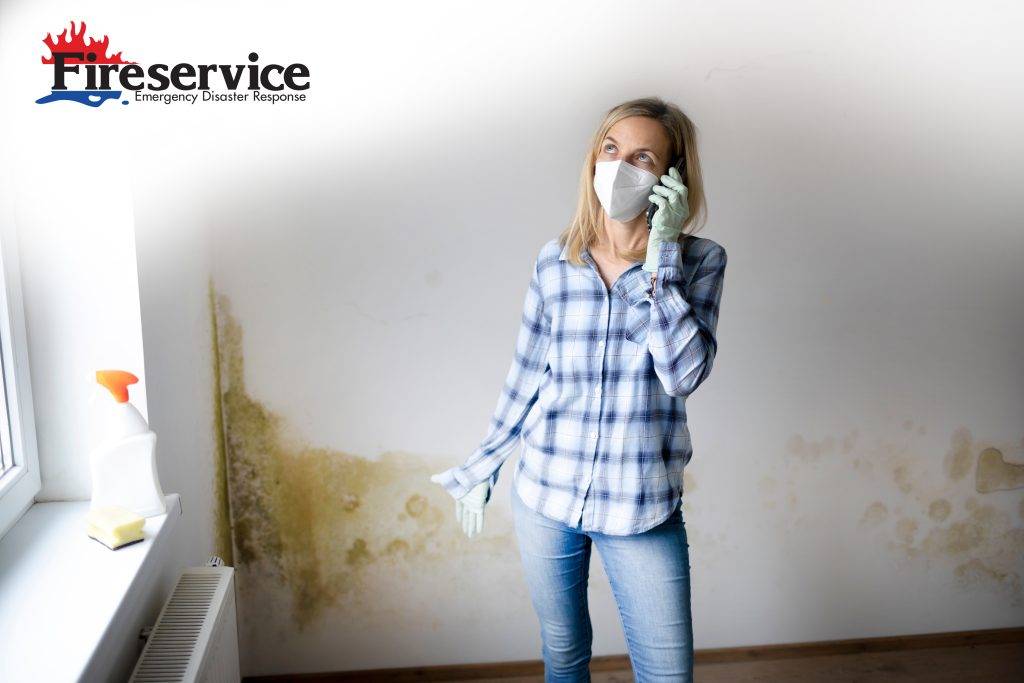
If you discover mold in your home, we strongly encourage you to call a professional to remediate the issue. Attempting to handle the situation without experience, knowledge, or equipment is not only detrimental to your health, but it can also make the situation worse by spreading the mold. The process below is how our professionals handle mold remediation:
Identify the Type of Mold
Before taking any action, it’s important to identify whether the mold present is harmful. Common types of dangerous mold include *stachybotrys chartarum* (black mold), *aspergillus*, and *penicillium*. These can cause various health issues, particularly for individuals with respiratory conditions or weakened immune systems. If you’re unsure about the type of mold you’ve found, consider contacting a professional mold inspector who can conduct tests and handle the situation.
Assess the Extent of Infestation
Once identification is complete, evaluate how widespread the problem is. Check areas that are prone to moisture like bathrooms, basements, and around windows. Look for discoloration on surfaces, peeling paint, or water stains. In most cases, it is wise to call in professionals for remediation rather than attempting to tackle it yourself.
Ensure Personal Safety
Before addressing mold removal, prioritize your safety. Wear protective gear such as gloves, goggles, and a mask rated N95 or higher to avoid inhaling spores. Make sure the area is well-ventilated by opening windows and using fans if necessary. If you have asthma or other respiratory conditions, consider staying out of the affected area until it’s been properly treated.
Contain the Mold
To prevent the spread of mold spores during cleanup, it’s essential to contain the affected area. Seal off doors and vents with plastic sheeting to limit exposure to other parts of your home. Turn off HVAC systems to avoid circulating spores throughout your living space. Use duct tape to secure the plastic sheeting around doorways and any openings.
Remove Contaminated Materials
For small areas of mold growth on hard surfaces, you can often clean them yourself. Use a mixture of water and detergent or a dedicated mold removal solution. Scrub the affected areas with a brush and ensure that all mold is removed from surfaces. For porous materials such as carpets or drywall that are heavily infested, it may be necessary to dispose of these items entirely to prevent further contamination. When disposing of contaminated materials, ensure they are sealed in plastic bags to avoid spreading spores during removal.
Clean and Disinfect the Area
After removing contaminated materials, it’s crucial to disinfect the area to kill any remaining mold spores. For major issues, contact a mold remediation company. For minor issues, using a solution of water and vinegar or bleach diluted with water (one cup of bleach to one gallon of water) for this purpose. Apply the solution to the surfaces that were affected by mold and allow it to sit for at least 10 minutes before rinsing with clean water. Ensure that you dry the area thoroughly afterward, as moisture can encourage future mold growth.
Address Moisture Issues
To prevent mold from returning, it’s essential to address any underlying moisture issues that led to the mold growth in the first place. Check for leaks in plumbing, roofs, or walls and repair them promptly. Improve ventilation in areas prone to moisture, such as bathrooms and kitchens, by installing exhaust fans or opening windows regularly. Consider using dehumidifiers in damp spaces to keep humidity levels below 60%. Regularly inspect your home for any signs of water damage or high humidity to catch potential problems early.
Monitor the Area
After remediation efforts are complete and moisture issues have been addressed, it’s important to monitor the area for any signs of mold returning. Keep an eye out for musty odors or visible growth in previously affected spots. Regular home inspections can help you catch any new infestations early. If you notice any recurrence of mold, reassess the moisture levels and consider consulting a professional mold remediation service for further assistance.
FAQs: Common Household Mold
Here we aim to provide clarity on household mold through a compilation of FAQs. By equipping yourself with knowledge about mold’s causes, effects, and solutions, you can take proactive steps to ensure a healthier home for you and your family.
Signs of mold include visible spots or patches on walls, ceilings, or floors; a musty odor; allergic reactions such as sneezing or coughing; and water stains or discoloration on surfaces. If you notice any of these signs, it’s essential to investigate further to confirm the presence of mold.
Common household molds include Aspergillus, Cladosporium, Penicillium, and Stachybotrys (commonly known as black mold). Each type may vary in color and texture but usually thrives in damp areas.
Not all molds are toxic; however, some can produce allergens and irritants that may pose health risks, especially for sensitive individuals, such as those with asthma or weakened immune systems. Black mold (Stachybotrys) is often highlighted for its potential health concerns but proper remediation can usually mitigate the risks associated with exposure.
To prevent mold growth, maintain low humidity levels (ideally between 30-50%), ensure proper ventilation in high-moisture areas (like bathrooms and kitchens), fix leaks promptly, and dry wet items immediately. Using dehumidifiers and air conditioners can also help reduce moisture levels in your home.
For small patches of mold, homeowners can often handle the cleanup themselves using appropriate cleaning agents and protective gear. However, for larger areas or if you have health concerns, it’s advisable to hire a professional who can assess the situation comprehensively and apply effective remediation techniques.
Let us Eliminate Mold from Your Home!
While some small areas of mold can be managed by homeowners, it’s important to recognize when the problem exceeds your capabilities. If you encounter extensive mold growth, or if you have health concerns related to mold exposure, do not hesitate to seek professional help.
Our mold remediation specialists have the necessary tools, training, and experience to safely manage larger infestations and ensure that your home is returned to a safe condition.